
Leadership
Making time for leadership
There’s a natural rhythm to work – from our five-year plans to our jam-packed workdays and everything in between.
Matt Poepsel, PhD · 2 min read
There’s a natural rhythm to work – from our five-year plans to our jam-packed workdays and everything in between.
Matt Poepsel, PhD · 2 min read

Over time, I’ve learned to not only recognize key differences among my co-workers, but to appreciate them as a result. I love to celebrate others’ preferences!
Matt Poepsel, PhD · 2 min read

In many organizations, the work dominates the agenda of most meetings. But as leaders, we must also make time for people-related matters.
Matt Poepsel, PhD · 4 min read

With the rise of remote and hybrid workplaces, more organizations are realizing the value and importance of the simple one-on-one.
David Young · 9 min read
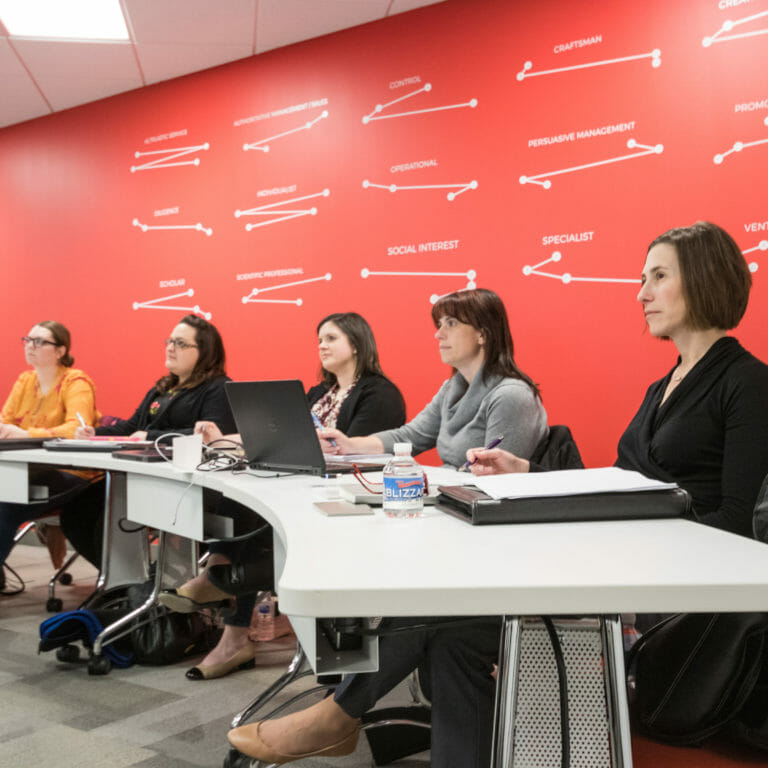
It’s often said that “leaders are readers.” Leadership is a complex discipline, so this is great advice. If you want to feel confident and be recognized as a next-level leader, you simply have to study the craft.
Matt Poepsel, PhD · 4 min read
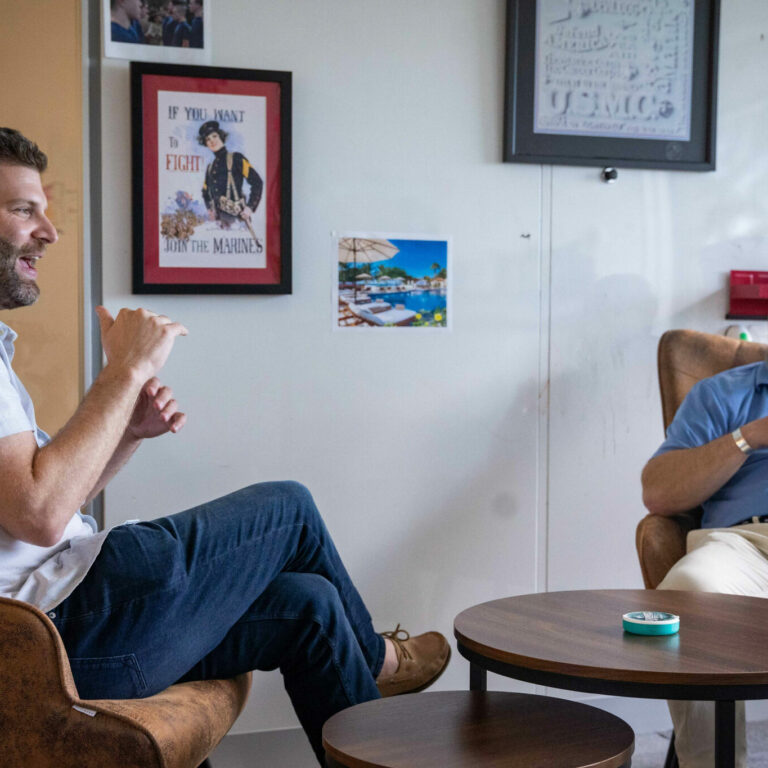
Many managers would rather not be people leaders. They don’t know how to manage effectively, and they feel as if their companies aren’t investing enough in developing them as managers. What can these aspiring leaders do?
Eric Huber · 5 min read
With the rise of remote and hybrid workplaces, along with the growing share of employees demanding deeper connections, greater recognition, and a sense of shared purpose from their job than ever before, more organizations are realizing the value and importance of the simple one-on-one.
David Young · 13 min read

Whether you’re a seasoned pro or a relatively new leader, you can turn to well-established leadership essentials to identify important gaps, and guide your future development. Use this worksheet to further your own journey of self-improvement.
Matt Poepsel, PhD · 4 min read
The most effective teams seem to anticipate what each person – and the business as a whole – needs. They support each other at every step, uncovering creative solutions to tough challenges, and they often make it look easy
David Young · 10 min read

The most successful teams are empowered. But creating a workplace where everyone is able to take charge can be tricky. How can you ensure productivity, pointing everyone in the same direction, and avoid absolute chaos?
David Young · 9 min read

Great leaders aren’t born – they’re developed and molded. It takes a good deal of training, trial and error, and some well-earned experience (not to mention a willingness to continually learn).
David Young · 11 min read

Employees who report to effective managers are over 15 times more likely to be high performers. They’re also more than three times more likely to stay at their job.
David Young · 11 min read

What does it take to be an effective manager? It’s a question many in the management field have been asking, with increasing urgency, over the past few years.
David Young · 11 min read

What is a good leader actually doing that makes them so effective? Although good leadership is certainly a talent, it can still be taught and developed.
David Young · 9 min read
We defined the talent optimization discipline in 2018. Since then, the concept has evolved to serve as a revolutionary link between business and people practices.
Matt Poepsel, PhD · 5 min read