The Predictive Index Reference Profile
Promoter
Promoters intuitively understand people, and they can apply that understanding to improve working relationships. Lively and stimulating communicators, they are poised and responsive in social situations, and they have a knack for uniting people with different perspectives.

What is a Promoter
The Promoter is an outgoing, friendly individual, often focused on the bigger picture and less concerned with the finer details. They tend to prioritize gaining the interest and buy-in of others over communicating specific, factual information. They’re flexible about how they attain their goals, and willing to collaborate widely in order to achieve them.

Cheerful


Informal


Enthusiastic

Understanding
Managing Promoters
Promoters excel when they have frequent contact and communication with their coworkers - particularly the people with whom they work closest. They appreciate recognition for work done right, and enjoy opportunities to get involved in a variety of projects and activities.
Learn how to manage Promoters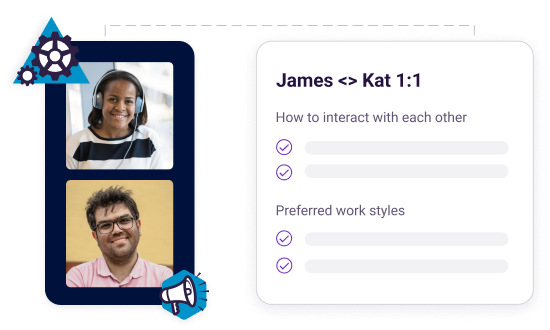
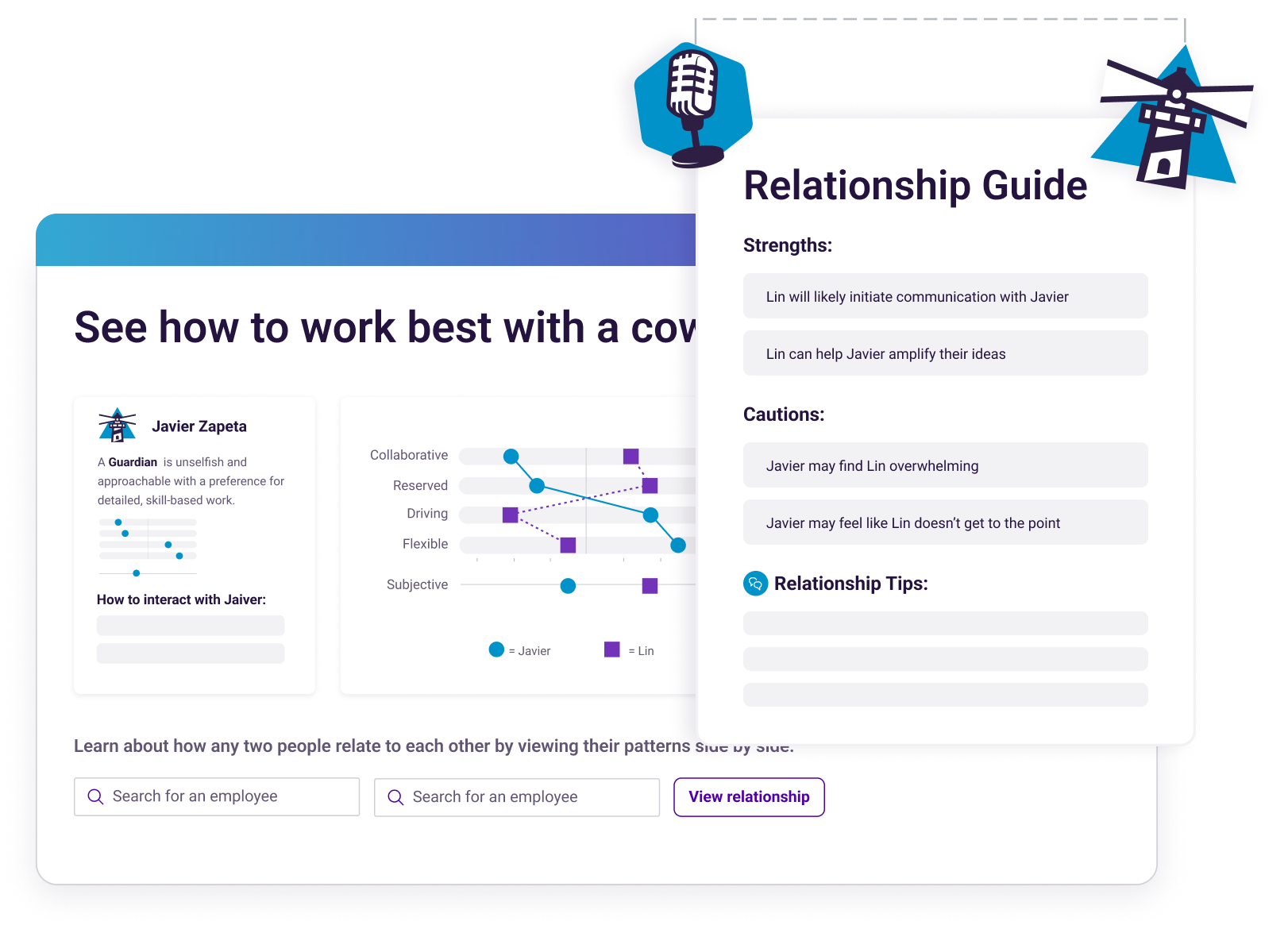
Maximize Promoter potential
Optimize Promoter performance on a team by emphasizing variety, both in the assignments they’re given and the people they work with. They thrive in a flexible environment where they’re evaluated on results or innovative solutions, rather than the exact process followed to get there.
Learn how to maximize Promoter potentialGet deeper insights into your team with the PI Behavioral Assessment
Onboard, coach, and develop Promoters
Empower your Promoter from day one. Use behavioral insights from PI Perform, PI Hire, and PI Inspire, to create professional growth plans and offer actionable feedback according to their unique behavioral pattern.
Candidate Behavioral Report
Activate insights related to workplace behaviors, strengths, and caution areas.
Coaching tools for managers
Empower continuous feedback, 360 feedback, and employee recognition.
Goals
Management
Enhance visibility into company initiatives and personal development goals.
Management Strategy Guide
Customize guidance and feedback to your employees' unique behavioral needs.
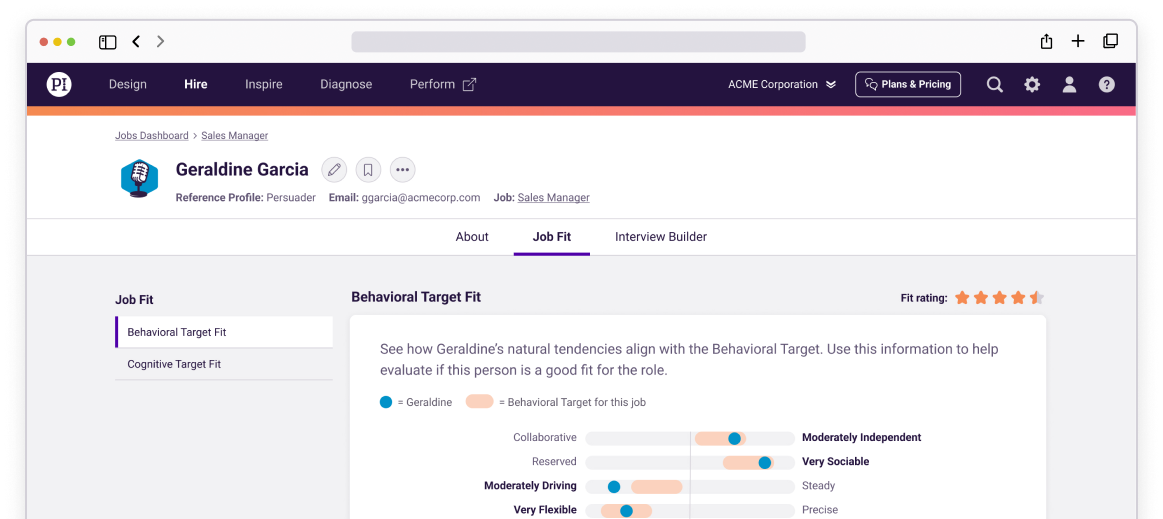
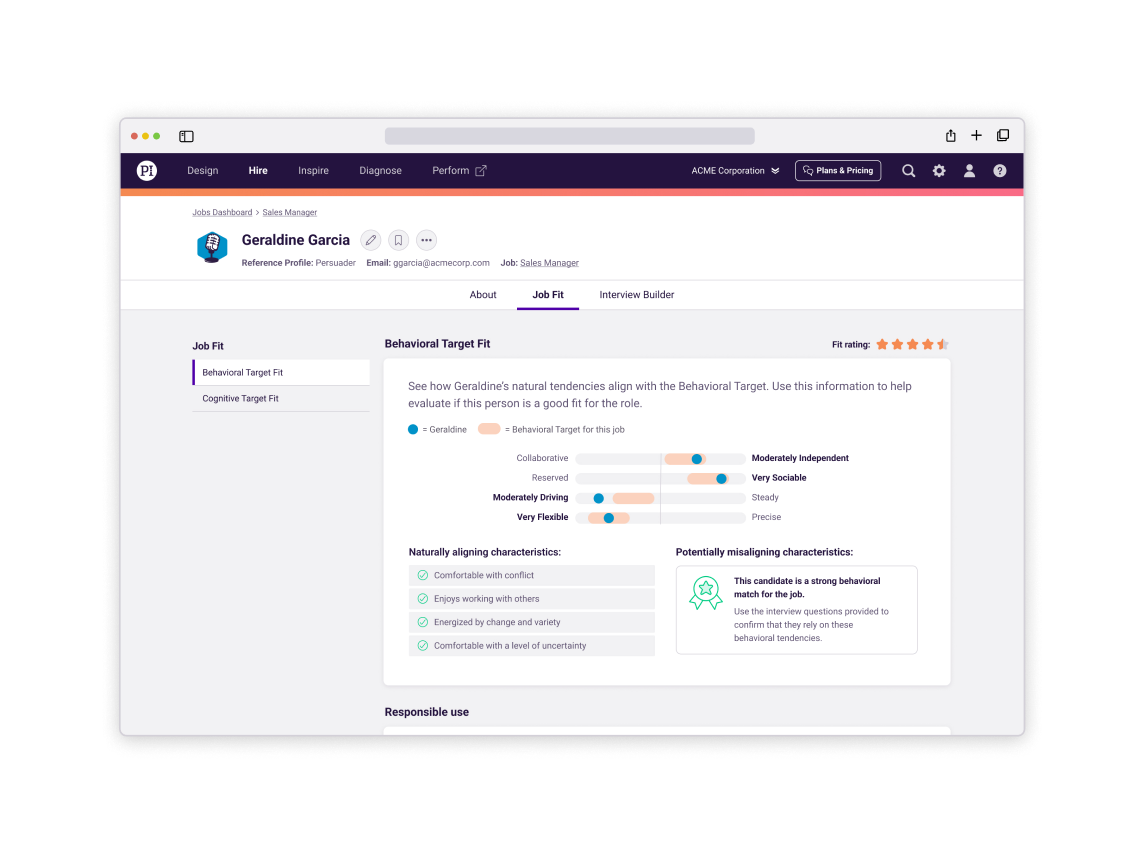
Activate insights related to workplace behaviors, strengths, and caution areas.
Learn moreExperience the power of PI firsthand.
Schedule a demo to see how the PI platform can transform your team dynamics and drive performance.
Learn more about the Promoter Reference Profile
Promoters are essential to keeping your team running smoothly. By maximizing their potential, you can elevate your team’s productivity. Understanding their unique strengths and areas for growth is the first step in tailoring your management approach.
Frequently asked questions
The Promoter is one of the 17 Predictive Index (PI) Reference Profiles. Promoters are highly extraverted, engaging communicators who intuitively understand people and relationships. They are lively, responsive in social settings, and skilled at bringing others together. This profile reflects someone who thrives on connection, influence, and uniting different perspectives.
Promoters are known for their social confidence, persuasive communication, and ability to build strong relationships. They excel at engaging groups, influencing others, and creating alignment across teams. Their empathy and enthusiasm make them especially effective in roles that require collaboration, communication, and people-focused leadership.
To manage a Promoter effectively, provide opportunities for interaction, collaboration, and visibility. They perform best when they can engage with others and contribute ideas openly. Managers should focus on clear goals while allowing flexibility in execution, and should recognize their contributions publicly to keep them motivated and engaged.
On a team, Promoters bring energy, enthusiasm, and strong interpersonal connection. They help unify teams, improve communication, and keep morale high. However, their lower focus on details and preference for big-picture interaction may require balancing with more detail-oriented profiles to ensure execution stays on track.
Reference Profiles are broad, descriptive categories based on results from the PI Behavioral Assessment.
- Every person who takes the assessment is assigned to one of 17 Reference Profiles.
- These profiles provide a general snapshot of workplace behavior without needing to interpret individual factor scores.
Reference Profiles are built from the four primary behavioral drives:
- Dominance (A)
- Extraversion (B)
- Patience (C )
- Formality (D)
A person’s factor scores act like coordinates. Those coordinates are compared to standardized, prototypical profile patterns. The individual is assigned to the Reference Profile that is closest to their pattern.
The Predictive Index is grounded in behavioral science and validated assessment methodology. It measures core behavioral drives (Dominance, Extraversion, Patience, and Formality) that help predict workplace behavior and performance.
Reference Profiles themselves are not meant to be exact representations of a person, but rather a reliable generalization of behavioral patterns. They are created by comparing an individual’s behavioral data to standardized profile patterns using statistical methods.
Importantly:
- Reference Profiles provide a “general neighborhood,” not an exact house
- Individual patterns may vary within the same profile
- The most accurate insights come from combining the full behavioral pattern + profile
This means PI’s behavioral science is accurate in identifying behavioral tendencies and workplace patterns, especially when used as part of a broader, data-informed decision-making process.
Reference Profile data is used as a starting point for understanding workplace behavior, and helping teams make better people decisions across hiring, management, and team design.
You can use it to:
- Quickly understand behavioral tendencies
Reference Profiles provide a shortcut to understanding how someone prefers to work, communicate, and make decisions. - Improve hiring decisions
Match candidates to roles based on behavioral fit, not just skills or experience. - Personalize management and coaching
Adapt communication style, expectations, and feedback based on how someone works best. - Strengthen team dynamics
Compare profiles across a team to understand differences, improve collaboration, and identify gaps. - Guide development conversations
Use insights to support growth, highlight strengths, and address potential caution areas.
Most importantly, Reference Profiles should be used alongside full behavioral data—not in isolation—to make more informed, data-driven people decisions.