Key Takeaways:
- Definition: Culture fit questions assess if a candidate’s values and behaviors align with your organization’s environment.
- Strategy: Tailor your questions to your specific culture type: Exploring, Cultivating, Stabilizing, or Producing.
- Growth: Consider hiring for “Culture Add” (filling gaps) rather than just “Culture Fit” (replicating existing traits).
- Impact: Poor culture fit is a leading driver of disengagement and turnover.
When hiring, you need to determine whether candidates will thrive in the role, on the team, and within the company culture. Asking the right culture fit interview questions allows you to determine if a candidate is truly a match for your organization.
High-performing companies look beyond the briefcase. After all, a pedigreed resume reveals nothing about a person’s values, passions, interests, and beliefs. It gives zero insight into the candidate’s preferred work environment. Put simply, companies that interview the whole person make better hiring decisions.
It is important for both your organization and your candidates to ensure there is a good cultural fit. As you are bringing potential new hires into your organization, you need to ask questions that will help you both identify whether there is alignment.
What are culture fit interview questions?
Culture fit interview questions are inquiries designed to objectively assess whether a job candidate’s values, beliefs, and behaviors align with an organization’s specific culture. These questions help hiring managers determine if the candidate will thrive in the company’s environment and contribute positively to the team.
Interviewing for culture fit is an objective way to measure if someone is a good match for your organization.
The way a candidate answers these questions reveals their preferred work style, ideal work environment, and personal motivators. It helps employers gauge how well a candidate’s approach aligns with the company’s core values, ensuring a harmonious and productive work environment.
Culture fit interview questions should be based on culture type
Organizational cultures can be grouped into four main categories. To determine the right questions to ask, you first need to identify which of these quadrants your company falls into:
1. Exploring Culture
Companies with an Exploring Culture create and innovate. These organizations are nimble, flexible, and creative. They are not about perfection but thrive from learning as they go, taking risks, and opening other people’s eyes to new ways of doing things.
2. Cultivating Culture
A Cultivating Culture is centered around developing people rather than perks. Working in this organization is like being part of a large family; people are personally invested in each other and go out of their way to develop and support colleagues.
3. Stabilizing Culture
Stabilizing Cultures value reliability, efficiency, and scalability. Days are orderly, consistent, and predictable. These organizations focus on doing things right and on time, following established practices. Structure and control are seen as necessities for success.
4. Producing Culture
Companies with a Producing Culture want to win. Employees are driven to be on top and see competition as a way of life. Goals are exceeded and pushed higher. The heart of this culture is a burning desire to bring 110% of yourself and beat the competition.
Some companies fall squarely into two categories. If that’s you, ask questions that pertain to both culture types.
Hiring for culture add vs. hiring for culture fit
It’s worth noting that you might need to screen for culture add rather than culture fit as your company changes over time.
For example, if your company falls into the “exploring” category, you may need to hire more stabilizing people to develop processes that will ensure quality and enable you to grow even faster.
So, determining candidate culture fit can mean two things:
- Matching: Determining if a candidate fits your current culture.
- Enhancing: Determining if a candidate enhances the culture you’re developing (Culture Add).
Right person. Right role. Every time.
PI Hire gives you the data you need to better predict which candidate will succeed in the role, and stay for the long term.
The comprehensive list of culture fit interview questions
Here are interview questions you can ask to gauge candidate fit, categorized by the culture type they best align with.
Questions for Exploring Cultures
- Tell me about a time you had to change directions quickly. What was the outcome?
- How do you handle a situation where you need to deliver something with very few guidelines?
- Tell me about a time you took a calculated risk. What was the situation? What was the outcome?
- Tell me about a time your solution to a problem may have been different than what had been done before.
- How do you balance the need to get things done against finding better ways to do them?
- If you were going to start a business, what would it be?
- How did you earn your first dollar?
Questions for Cultivating Cultures
- Tell me about a time you had to go outside of your role to help another team member.
- How do you like to interact with your co-workers?
- How do you like to be recognized?
- How do you go about recognizing others?
- How do you like to be managed?
- Tell me about a time you and a co-worker disagreed on a decision. How did you resolve the issue?
- What was the best team-building exercise you ever completed?
- What was the worst team-building exercise you ever completed?
Questions for Stabilizing Cultures
- What is your process for decision making?
- How do you like to get your work done?
- How do you go about planning your work?
- Tell me about a time a process didn’t exist and you had to implement one. How did you go about it? What was the outcome?
- Tell me about a time you updated an existing process to make it better.
- How do you ensure the quality of your work?
- How do you prefer to learn a new skill?
Questions for Producing Cultures
- What does high performance look like to you?
- What motivates you to do your best?
- How do you set goals for yourself and ensure that you meet them?
- How do you prioritize your tasks when everything seems urgent?
- Tell me about a time you failed at something but then went on to succeed at it.
- Tell me about a time you did not meet expectations. What was the situation? How did you navigate it?
How to assemble a team of culture fit interviewers
At The Predictive Index, we have a team of employees who are specially trained to interview candidates to determine culture fit. They ask a set of questions that map to our core values.
If the interviewers uncover red flags (e.g., the person has a fixed mindset instead of a growth mindset), it’s clear they’re not a good match, regardless of any top-notch academic or professional credentials.
To determine additional culture fit interview questions to ask, identify the behaviors and values that map to your culture type, then screen for those.
Why you should ask interview questions to assess culture fit
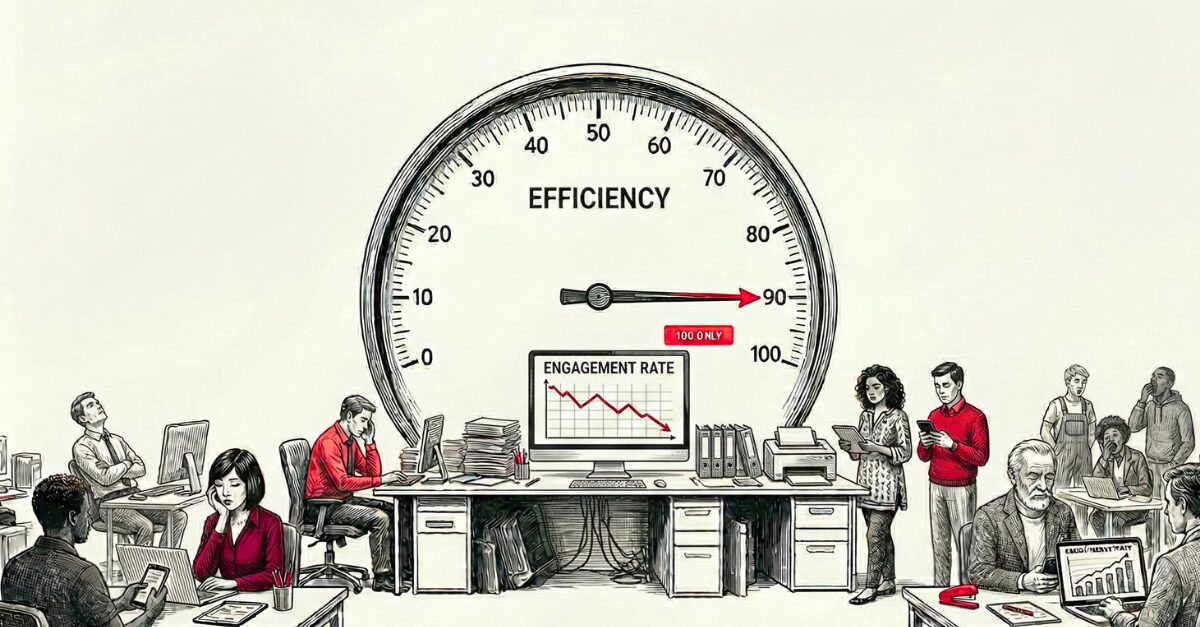
If an employee’s values don’t align with their company’s values, they’ll lack a sense of belonging. This misalignment between the employee and the company culture causes disengagement and poor performance.
Research has found that company culture is a top driver of both engagement and turnover intent. In other words, when employees feel connected to your company culture, they’re more engaged and less likely to quit. When they don’t feel connected to your company culture, they’re less engaged and more likely to quit.
Adding this layer to your talent acquisition process increases your chances of hiring well. When you hire people that mesh well with—or add to—your workplace culture, they’re more likely to stick around long term and deliver the results you want.
Frequently asked questions about culture fit interviewing:
How many culture fit questions should I ask in an interview?
Typically, asking 3 to 5 culture-specific questions is sufficient to gauge alignment without dominating the entire interview. These should be woven into the behavioral interview portion.
Can you train a candidate for culture fit?
Generally, no. While skills can be taught, core values and behavioral drives are innate. It is difficult to train someone to enjoy a high-risk environment if they fundamentally crave stability.
What are red flags in a culture fit interview?
Red flags include negative talk about previous teammates, a lack of self-awareness regarding their ideal work environment, or values that directly contradict your company’s core mission (e.g., preferring isolation in a highly collaborative Cultivating culture).