
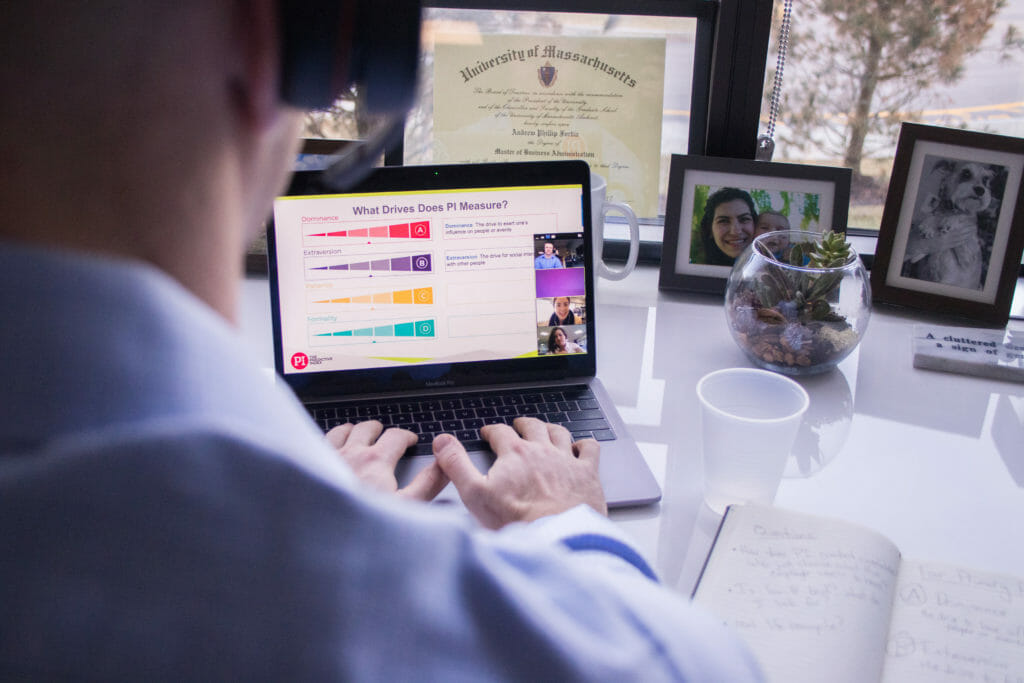
Pre-hire behavioral and cognitive assessments are an effective way to evaluate candidates.
There are many pre-hire assessments on the market to evaluate current and prospective employees, depending on your business goals and objectives. Two common types are cognitive and behavioral assessments, which have distinct outcomes and meet various workplace needs.
In this blog, we’ll dive into each so you can determine which is appropriate for your business needs—or if both are.
Cognitive assessments measure knowledge acquisition.
Each role in your company requires a particular level of knowledge acquisition—the rate at which an employee can learn new skills, tasks, and information they need to do the job. Matching the abilities of candidates to the needs of a position will help ensure that the candidate is a good fit and increase the likelihood of employee retention.
Cognitive assessments are usually time-limited and challenging. However, candidates are not expected to score perfectly on the assessment for most roles. They’re only expected to reach the level needed for the job to which they’re applying. This will prove they can handle the needs and requirements of that position. The cognitive demands of the work environment may change over time so cognitive assessments can be given to existing employees as job requirements change or as advancement is considered.
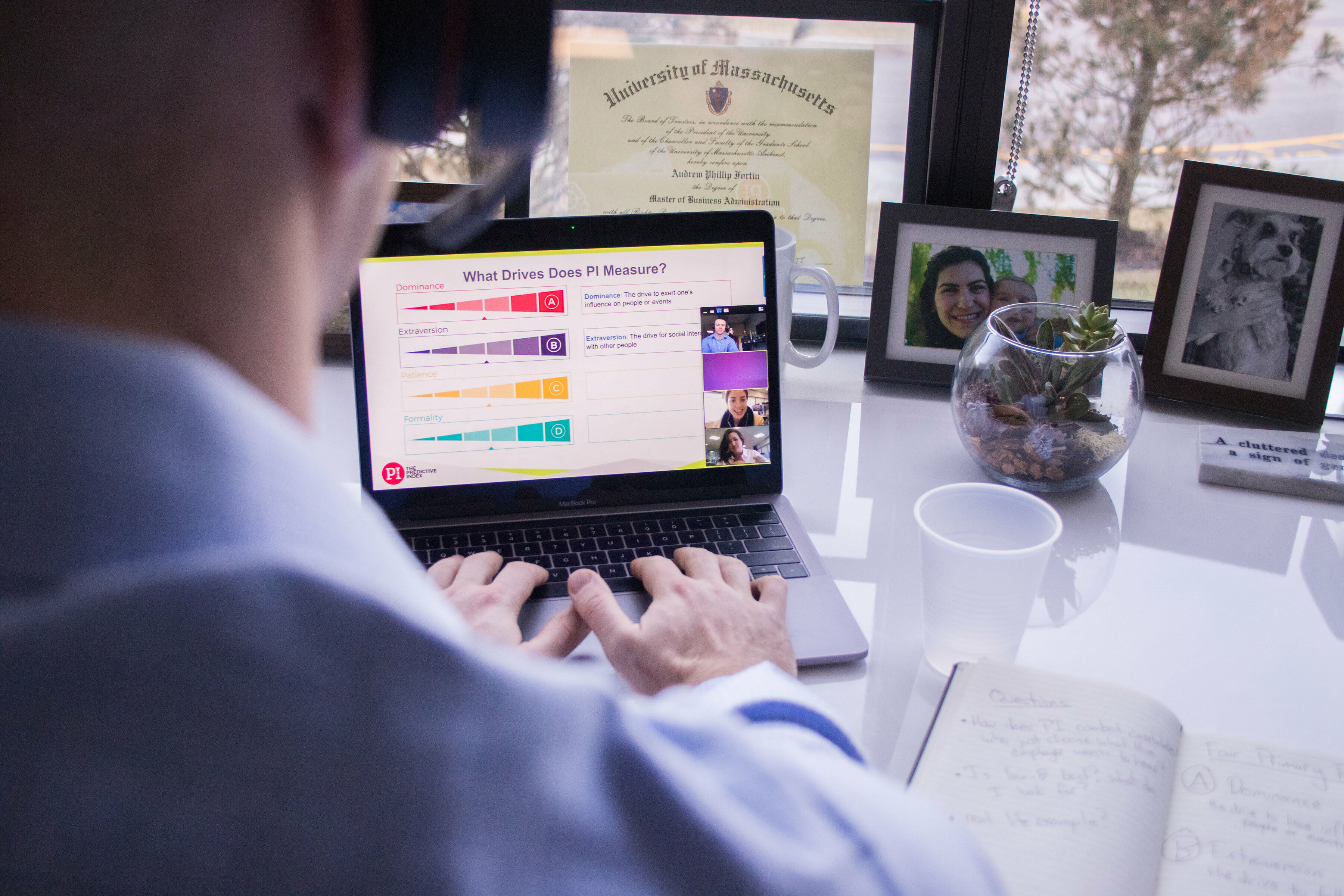
Behavioral assessments measure job compatibility.
Behavioral assessments look at the characteristics and traits of prospective and current employees to discover whether their natural leanings are compatible with a particular role. Some of the possible behavioral traits assessed include dominance, extraversion, patience, and formality.
The hiring process can be simplified by using assessments.
Different from traditional personality tests, which can be subjective and lead to biased hiring, workplace behavioral assessments objectively measure objective four key factors that determine workplace behavior. The results can indicate whether a candidate or current employee is a good match for a given role in a work environment. Behavioral assessments can also indicate that a candidate would not be a good match for some positions, thus preventing a bad hire that likely wouldn’t have worked out anyway.
Choose your assessment(s) to optimize talent.
While some companies choose either behavioral or cognitive assessments, there are benefits to using both during the pre-hire process, as well as for existing employees during their tenure with you. Hiring is a multi-faceted process with many aspects that could lead to success or failure. The more information you can get about candidates before you make a hiring decision, the better that hiring decision is likely to be.
Using behavioral and cognitive assessments together can help you determine which candidates have both the cognitive ability and the behavioral compatibility to succeed in a given position. Meeting set criteria in both of these areas can predict with a high level of accuracy whether a particular candidate is well-suited for the job to which they are applying.
Krishna Rajagopal is the Chief Facilitator of Great Outcomes at Narish International. He has a bachelor’s degree in Economics, an MBA, and a master’s in Information Systems Management. Krishna’s mission is to help organizations leverage their potential.