
The workplace isn’t what it used to be, and it’s not going back.
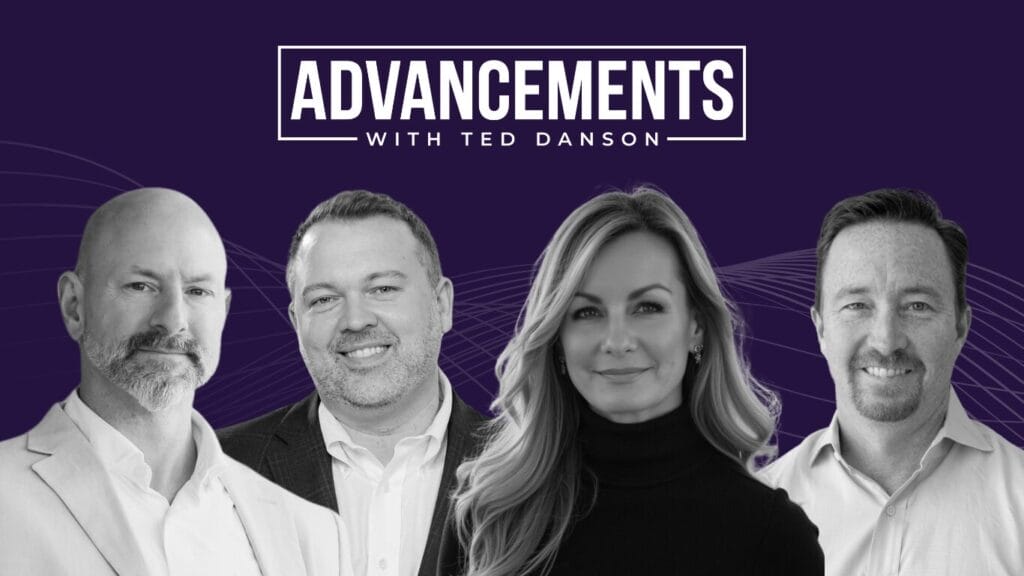
On a recent episode of Advancements, PI had the chance to talk about what’s actually changing inside organizations, and what leaders need to understand to keep up.
Why are employees leaving faster? Why is culture so hard to define now? And what does real people data have to do with any of it? We unpacked all of this on the national stage.
Didn’t catch the episode? Here are some of the key takeaways we dropped.
Employee loyalty looks different now.
Work used to be about showing up, staying loyal, and collecting a retirement gift. That model is long gone – COVID shattered whatever was left of it.
Gone are the days of expecting a “gold watch” as a gift. Today’s employees want flexibility, independence, and meaningful work. If they don’t get it, they move on.
There’s been a shift in the employee-employer dynamic. It’s not about control anymore. It’s about partnership. People want to feel like they’re part of something, not just working for something.
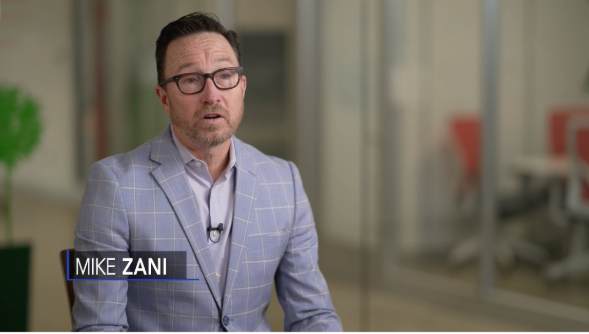
“What used to be a tug of war about who has the power is now becoming more of a relationship built on [ongoing] partnership.”
Mike Zani, CEO, The Predictive Index
HR teams are under more pressure than ever.
HR is expected to lead organizations through massive changes – remote work, engagement, upskilling, burnout – often while using outdated systems and limited resources.
Those expectations may not be fair, but changing them requires a wholesale shift in mindset from the top.
“The average HR team is underfunded, understaffed, and underappreciated.”
Matt Poepsel, PhD, VP, The Predictive Index
It’s not a lack of effort. It’s a resourcing problem that can be fixed with proper internal positioning and a stronger relationship with the CEO.
Tech can help, but not in a vacuum. It needs to complement your existing data. In the episode, we walked through a simple model that stuck with people.
We’re using [behavioral data] to make sure that we understand what our pipeline of future leadership looks like as an organization.
-AJ Baggott, President, RJ Young
Talent decisions must be strategic.
Hiring isn’t about filling a seat anymore. It’s about shaping the right team, building the right leadership, and creating the right culture. That requires better data and a broader lens after the hiring takes place.
“It’s really not just, ‘Who are we going to hire?’ It’s about building the culture that we want to achieve business results.”
Deborah Watts, Ed.D., Hayde & Co
Culture doesn’t always build itself- it’s on leadership to spark it.
Culture isn’t a side effect. It’s a responsibility. And HR plays a key role in helping leaders own that.
How are you considering culture in your evaluation process? What about team dynamics?
Work doesn’t stay at work. If people feel energized and supported, that shows up in every other part of their lives.
It’s a principle at the core of the PI mission: Better Work, Better World.
“We want people to enjoy their work—not just because it makes them more productive, but because they don’t get de-energized by what they do.”
– Mike Zani, CEO, The Predictive Index
The idea is simple: Better work creates better people outcomes.
Getting to share this on national television was a big moment. Not just for PI, but for the bigger conversation about what work is becoming. The expectations have changed. The tools are evolving. The question is whether leadership will catch up.
If you’re thinking about these same questions inside your own org, you’re not alone. That’s why this conversation matters.