Most people don’t walk into a new job looking to check out. In fact, our 2026 Motivation at Work survey of 1,000 U.S. employees 21+ across various industries, job levels and generations found that 78% started their current role motivated. And yet, 72% now observe disengagement among their coworkers at least some of the time.
That’s not a hiring problem. That’s a leadership problem.
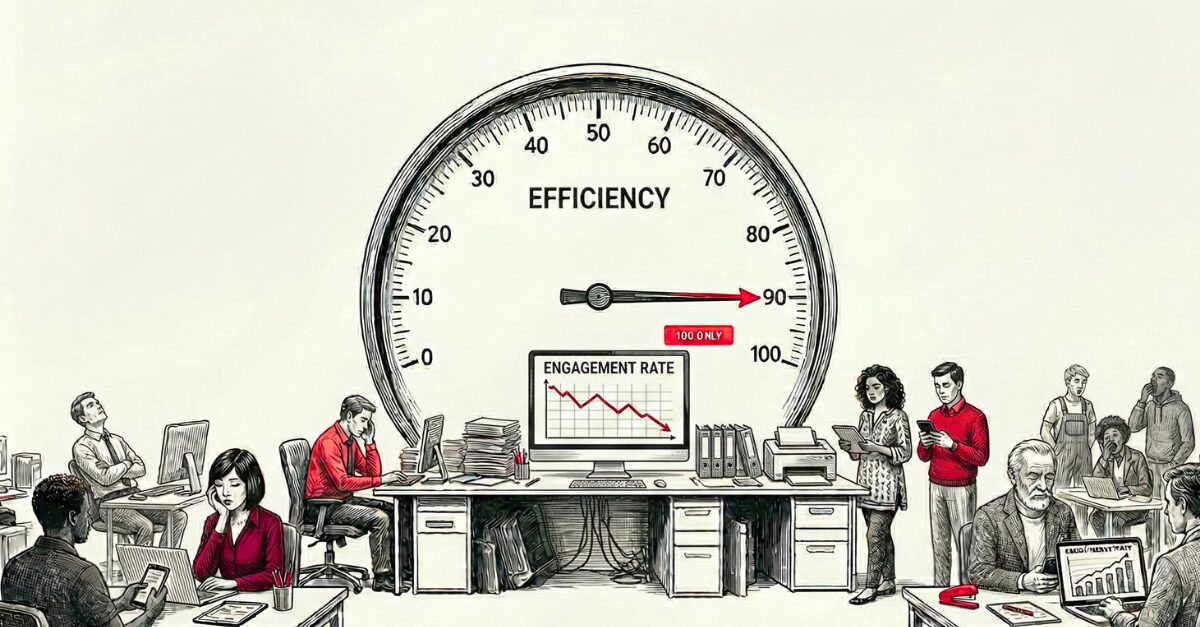
Gallup’s latest data puts active engagement at just 31%, down from a peak of 36% in 2020. That’s roughly 8 million fewer engaged workers over five years. The trend isn’t new, but it’s no longer something we can blame on a bad economy, a global pandemic or a generation that doesn’t want to work hard. The data is telling us something more uncomfortable: We’re losing people after they arrive.
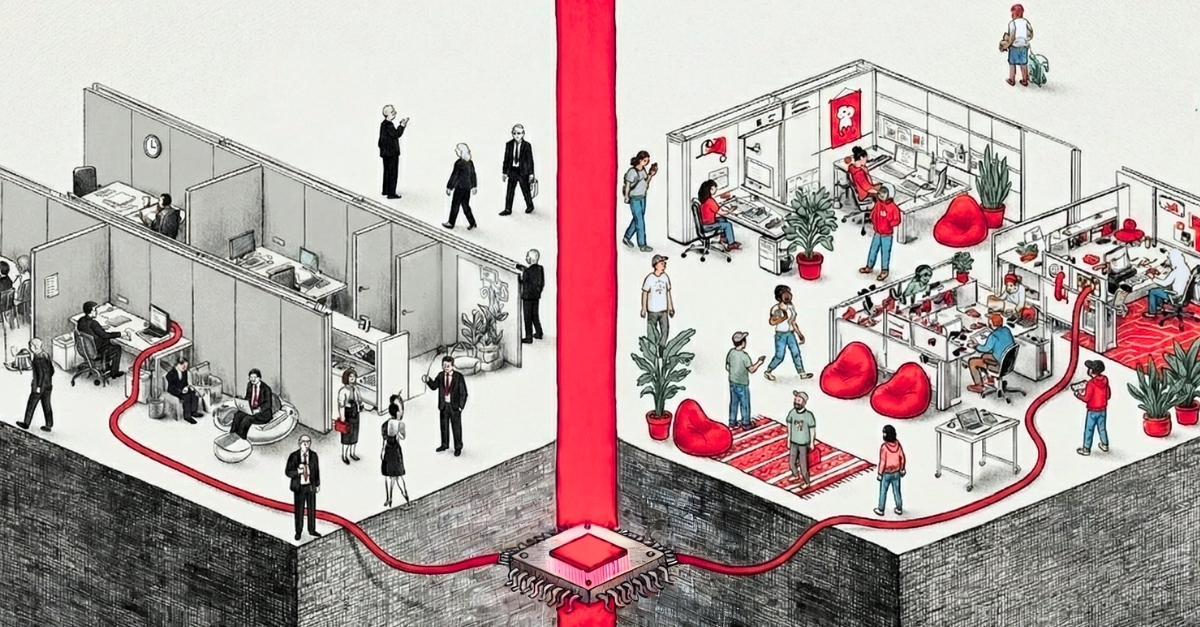
So the question isn’t how to hire more motivated people. It’s what’s happening to them once they’re in the door — and why so many workplaces are quietly draining the very energy people showed up with.

The culprits: Distraction, overload, and lack of clarity
Ask most leaders why their people are disengaging, and you’ll hear answers like burnout, compensation or the wrong culture fit. But the data points somewhere more specific.
According to our survey, 77% of employees say distraction interferes with meaningful work at least sometimes. Forty-one percent are juggling three or more communication channels daily. And only 16% say their work always feels meaningful. For the vast majority, meaning shows up intermittently at best.
What looks like a focus problem is really a clarity problem. When people don’t know what matters most, they default to whatever feels most urgent — emails, Slack messages, back-to-back meetings. Busyness fills the vacuum that direction should occupy. When we asked employees what would most improve their motivation, clearer priorities ranked #1 at 35%. Yet only one in three (35%) say their priorities are very clear on a typical workday.
Gallup’s data reinforces how widespread this is: Clarity of expectations showed the largest decline of any engagement factor since 2020, dropping nine points for all U.S. employees. People aren’t disengaging because they stopped caring, but because nobody told them where to aim. Meaning isn’t missing from today’s workplaces. But when people don’t know what matters most, it gets buried, and “buried meaning” feels indistinguishable from no meaning at all.
Managers are the lever nobody’s pulling
The people best positioned to restore that clarity are managers. They shape the day-to-day experience more than any policy, program or engagement initiative, even if that influence often goes unrecognized.
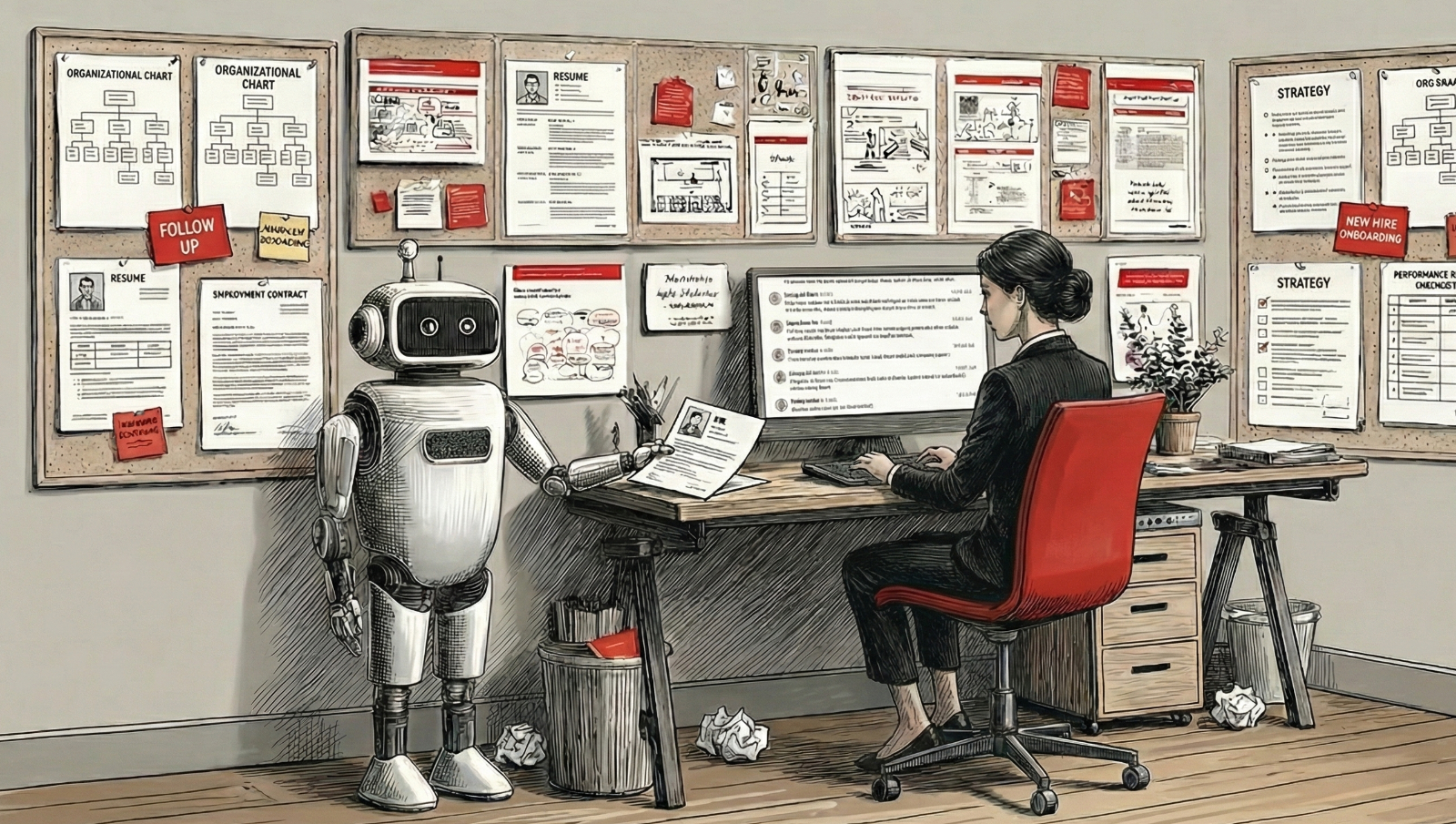
When we asked employees what would most improve motivation, communication and transparency ranked as the single biggest opportunity at 52%. But managers are being asked to deliver that in an environment that keeps getting noisier. SurveyMonkey’s 2026 Workforce Trends report found that 43% of Americans who use AI weekly are already applying it at work, yet only 13% say their company offers any AI training. More tools, less direction.
For younger employees, especially, the ask goes beyond clarity. Gen Z and younger millennials are more likely than any other generation to cite weak team connection as an energy drain and manager support as a motivation driver. When those needs go unmet, disengagement becomes the predictable outcome.
That’s where behavioral insight comes in. Managers who understand what actually drives each person on their team are better equipped to set expectations, have meaningful 1:1s and connect individual work to outcomes that matter. That’s not a systems overhaul. It’s a leadership behavior — and it’s available to any manager willing to pay attention.
Meaning isn’t Missing. It’s just not being reinforced
Meaning exists in today’s workplaces. The problem is that most organizations aren’t reinforcing it consistently enough to stick. Fixing that has little to do with launching another engagement initiative. It starts with clearing the friction that buries meaning in the first place, starting with these three steps any leader can take right now:
- Set clearer priorities. When people understand what matters most and how their work connects to outcomes, motivation stabilizes. When they don’t, even your best people begin to drift.
- Make 1:1s count. Move beyond status updates. Use that time to align on expectations, surface what’s working and have honest conversations about development. Ten minutes of real attention does more than an hour of tactical check-ins.
- Understand what drives each person on your team. Not as a category or a generation, but as an individual. Behavioral insight gives managers a concrete starting point — one that makes it easier to personalize how they communicate, develop and recognize the people they lead.
Leaders who slow down enough to understand their people — not just their output — are the ones building cultures worth staying for. Want to understand what’s driving disengagement on your team? See how PI’s Behavioral Assessments give managers the insight they need to lead with clarity and connection.