Jared Wolf is the Head Writer at Bravely, a company providing employees with professional coaches for confidential conversations in the moments they need them most. This post was written with support from Bravely’s expert coaches; get to know them here.
In any company, employees’ ability to take risks is crucial to creativity, productivity, and innovation. A “risk” doesn’t have to mean something on the macro level, like developing a new process—it can also be more individual, like the emotional risk of speaking up about a personnel issue.
None of that can happen without psychological safety. In a psychologically safe company, there’s a shared understanding that risk-taking will not lead to punishment or embarrassment. When employees have reason to fear vulnerability, issues in the workplace don’t get talked about; instead, they go under the radar or get misdiagnosed.
The more you work fostering psychological safety on your team, the more it self-perpetuates and grows over time. On the flipside, issues of mistrust and fear fester in an unsafe environment. This is made even harder by the fact that no one’s talking about those feelings! So how do you detect a psychological safety issue at your company? Here are three tell-tale signs to watch for—with examples and solutions from the coaches (or “Pros”) behind Bravely.
Sign #1: Participation in meetings is down.
“I need help communicating with my boss. She shut down one of my pitches more harshly than she had to. It was pretty embarrassing, and now I’m afraid to contribute to meetings.”
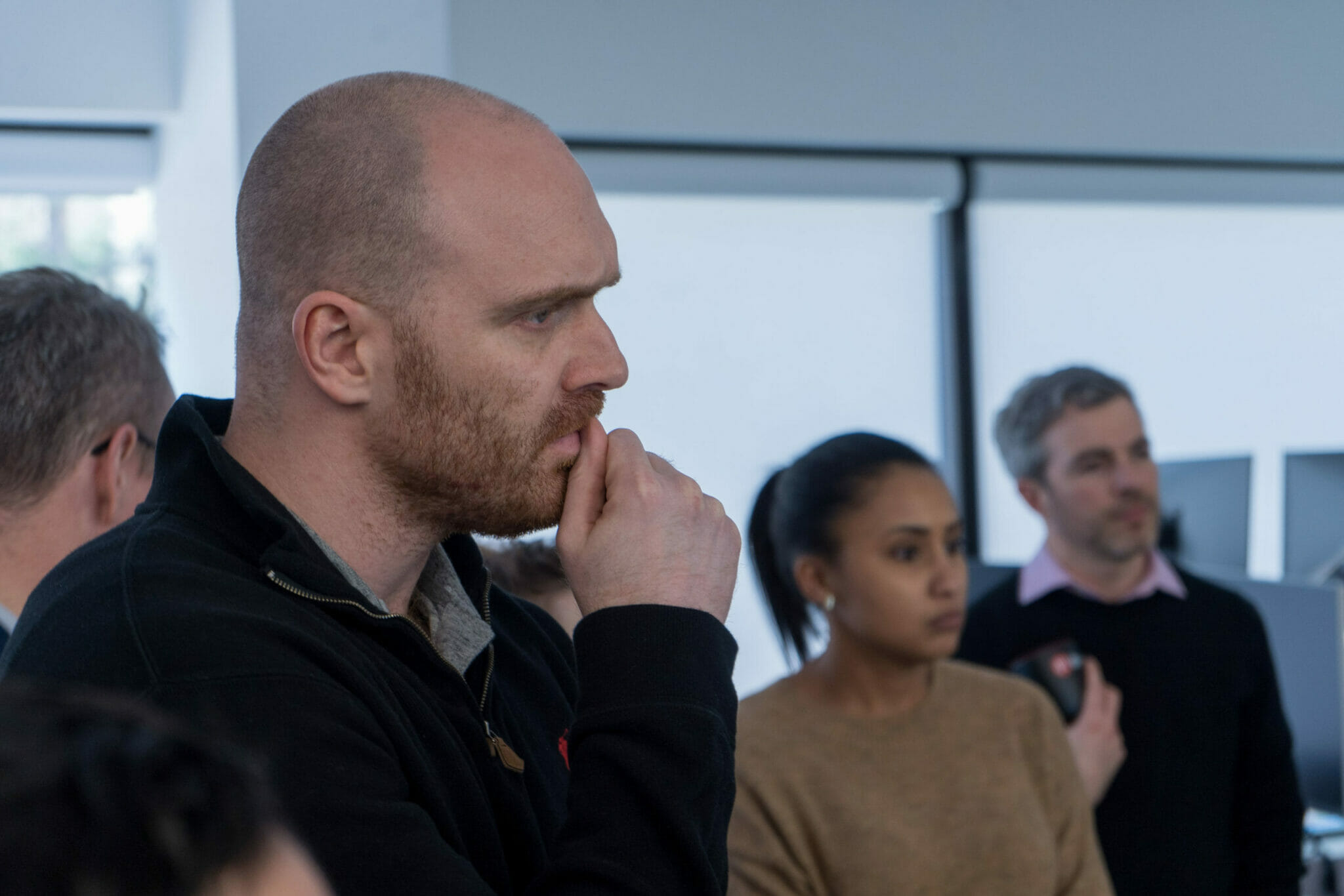
When employees feel they can’t bring their full selves to work, or that they can’t reach their full potential, one place it shows is in meetings. Sometimes the awkward silences come from a fear of speaking up. Other times it’s disengagement or a lack of curiosity.
When leading a meeting where discussion is crucial, be mindful of how you’re reacting to different people’s participation. When you’re giving some people more emphatically positive responses, more leeway to interrupt others, or supporting their ideas before everyone’s had the chance to weigh in, it can discourage others in the room from participating.
Join 10,000 companies solving the most complex people problems with PI.
Sign #2: You’re not hearing about mistakes—you’re only hearing blame.
“I’m getting so frustrated by my team meetings. When a goal doesn’t get hit, the conversation just turns into finger-pointing. I dread it every single week.”
These concerns might sound familiar. We’re socialized to fear failure, so many people instinctively lean on excuses or outright denial. When no one’s taking ownership, nothing is learned and the same problems just keep coming up. It’s no wonder this employee is so uneasy; they’re watching a vicious cycle unfold.
Changing your response to mistakes or failure takes active work; you have to unlearn bad habits. Giving people a framework to talk about what went wrong—like a blameless postmortem—is a great place to start.
Sign #3: No one’s asking for feedback.
“I’m a month into a new job. At past jobs, I’ve received a lot of useless or inappropriate feedback. Now I’m generally afraid of feedback and not able to use it well. I’d like to find a way to keep these old habits from hurting me in my new role.”
This employee’s situation is a reminder that org leaders aren’t just building their own cultures—they’re also contending with their employees’ past experiences. Fear of feedback is a sure sign there’s work to do in making employees feel secure enough to thrive.
Soliciting feedback is a behavior that has to be modeled from the top down. Managers should ask their direct reports for feedback. Depending on employees’ comfort level with providing feedback, the ask should come in the form of specific questions. For example, “What could I have done to better support you?”
One final thought
We’re used to rewarding and celebrating performance—how could you impact your company culture by applying that same mindset to vulnerability?