
“If there is no struggle there is no progress.”
– Frederick Douglass
Juneteenth marks a momentous day in American history, yet one that has only recently come to prominence.
What is Juneteenth?
On June 19, 1865, several months after the end of the Civil War and two and a half years following Lincoln’s Emancipation Proclamation, the Union proclaimed the freedom of slaves in Texas. While slaves had been liberated throughout the war, Texas was one of the last states to surrender. With the enforcement of General Order No. 3 in Galveston, Texas, these Black Americans too were finally free.
For those in Galveston, the day was cause for jubilation. And though Juneteenth celebrations originated in the State of Texas, dating back to 1866, the holiday spread across the country over the next several decades. Today, the holiday is formally celebrated in 47 states—the three exceptions being Hawaii and both Dakotas. It is also, as of June 17, 2021, a federal holiday.
Despite its long history, Juneteenth only became widely recognized in 2020, following George Floyd’s murder and the subsequent Black Lives Matter protests. The lack of visibility only underscores the challenges Blacks and other U.S. minorities continue to face. Still, there’s strength in awareness—and momentum is building.
How to build awareness about the holiday
As Juneteenth is a relatively new holiday in the public eye, you may be celebrating it for the first time. So, it’s understandable if you’re not sure how to spend the day.
That you’re reading this blog is a great first step. But Juneteenth represents more than just a moment in history. It’s an opportunity to shine a light on the systemic issues that hinder and impede minorities today.
This past week, we at PI heard from a prominent voice in the Detroit community: Darryl Woods, minister, activist, and founder of the youth empowerment program “Fightin’ the Good Fight.” At the age of 18, Woods went to prison to serve a life sentence on a murder charge. Despite a witness recanting their initial testimony, Woods spent 29 years behind bars, until his sentence was commuted in 2019 by Michigan Governor Rick Snyder.
Woods, together with his son, Darryl Woods, Jr., walked us through the circumstances that led to his conviction. A former NAACP Prison Branch President at his corrections facility, he has seen firsthand the injustices within the U.S. prison system—namely, the tendency to overcharge felons without “the opportunity for redemption.”
Today, Woods is helping educate communities and organizations across the country. In partnership with non-profit SAY Detroit, he launched the Better Together initiative, with the goal of building empathy between police officers, former inmates, activists, and underserved youth.
According to Woods, “Some of the biggest obstacles to rid our city of systemic racism is the will to come together. This is not the time to turn on each other but the time to [support] each other. We can’t get anywhere without first having a conversation and identifying what the problems are.”
Juneteenth is a time to do just that: Have a conversation. If you’re in Detroit, attend a Better Together barbeque. For those elsewhere, reach out to your community. Attend a local function. Invite your friends and family. Learn about the biggest issues people in your district, city, or state face today—and find out how you can get involved.
Join 10,000 companies solving the most complex people problems with PI.
Juneteenth resources and ways to take action
No matter where you live, here are some other ways you can commemorate Juneteenth—while acknowledging the work to be done:
- Juneteenth.com has a great page that shares how you can celebrate the day at home, in your organization, or with your community.
- If you live in a major city, Lonely Planet put together a list of notable events taking place in your area.
- For cities left off the above list—namely New York City, Los Angeles, Chicago, Phoenix, Boston, and Seattle—here are some good resources.
- Familiarize yourself with Black history and culture via the National Archives, History.com, Columbia, NPR, and other learning institutions.
- Combat racism by exploring resources curated by Stanford, Berkeley, Harvard, Glaad, and many more.
- Help families impacted by mass incarceration through organizations like Angel Tree, Inside-Out, and the Center on Wrongful Convictions.
- Support legislation for policies such as the Clean Slate Initiative and 8Can’tWait.
There’s strength in numbers. Ask your co-workers how they plan to spend the day. At PI, some employees are visiting the Museum of Fine Arts in Boston for an afternoon of art and music. Others are bringing their families to a storytelling session led by a local theater group.
Whether you pick up a book, attend a parade, donate to a worthy cause, or do something wildly different, what’s important is to come from a place of sincerity and compassion. And then, to reference the work and words of Frederick Douglass, keep that fire going—long after the day ends.
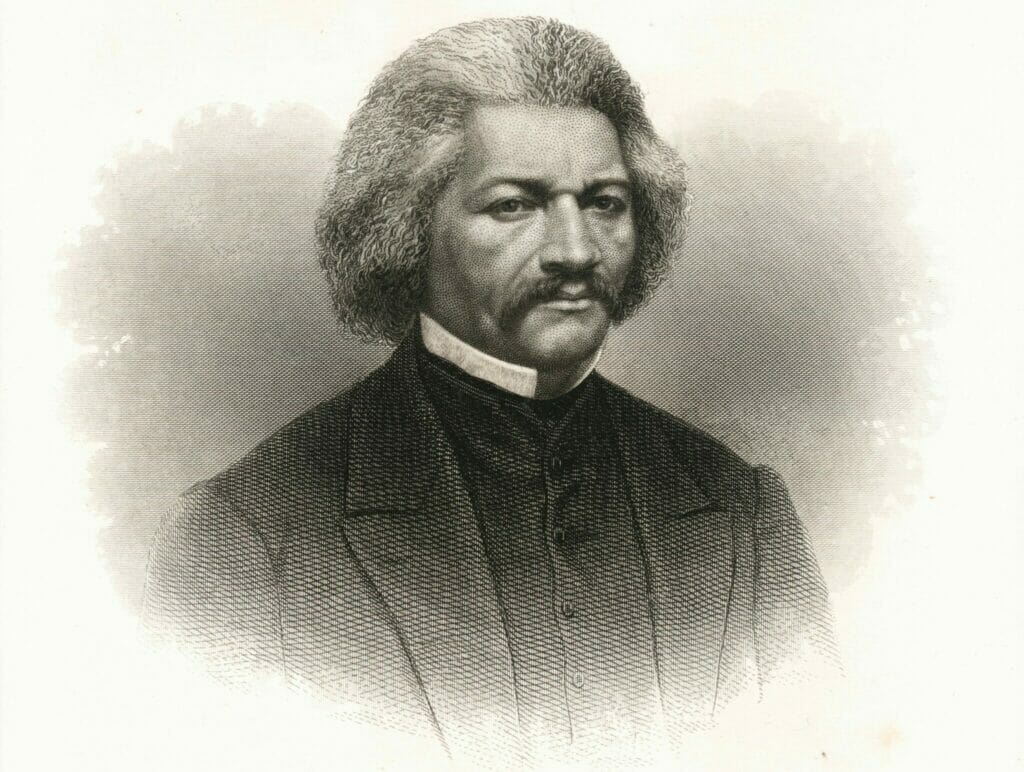
“For it is not light that is needed, but fire; it is not the gentle shower, but thunder. We need the storm, the whirlwind, and the earthquake.”
– Frederick Douglass