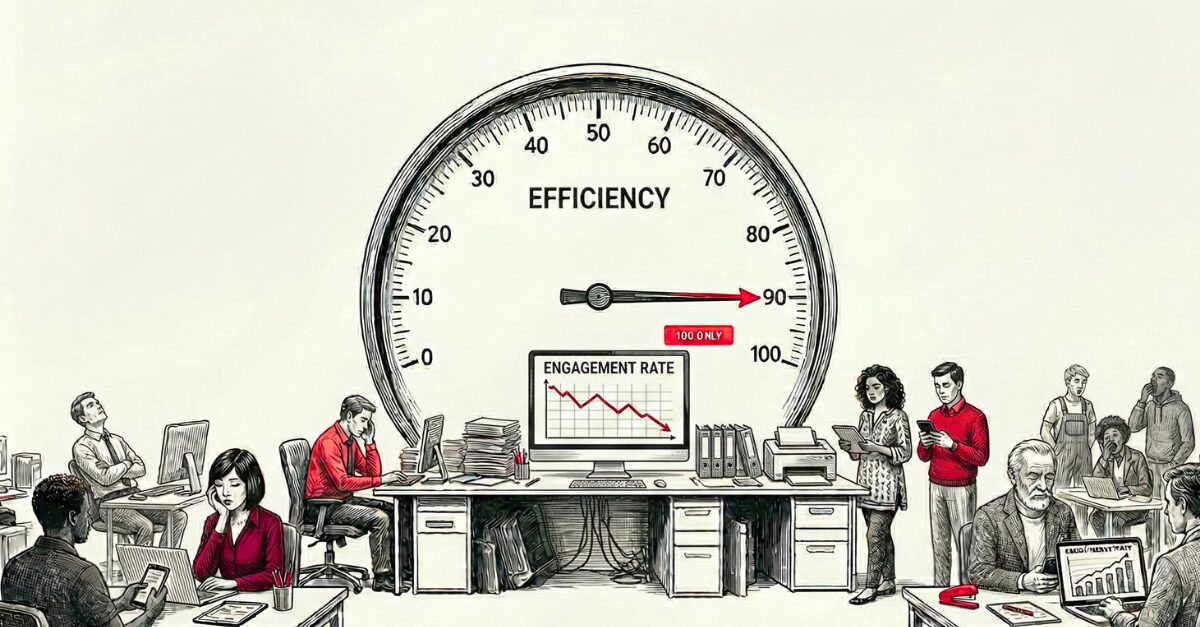
No one has a more immediate impact on employee engagement, productivity, and workplace satisfaction than direct managers of staff. Yet, most performance evaluation models are top-down—employees receive feedback from the people they report to, but managers rarely receive feedback from the people they manage. In fact, many companies don’t utilize manager evaluation forms at all.
Good employees leave bad managers. And if companies don’t gather feedback on manager performance, they won’t know which managers may be unintentionally poisoning company culture—and contributing to increased turnover.
According to the Society for Human Resource Management, 40% of employees might look for a new job at a new company in the next year.
What are manager evaluation questions?
Manager evaluation questions are used to assess the performance, leadership skills, and effectiveness of a manager.
These questions help gather feedback from subordinates, peers, and supervisors to provide a comprehensive view of the manager’s abilities.
They help organizations identify strengths and areas for improvement in their managers, ensuring better leadership and enhanced team performance.

Give your managers the tools to become outstanding leaders.
The best managers are developed and equipped with the right tools to help them grow—to navigate difficult conversations and support the growth of those around them. Strengthen your management and strengthen your business with PI for managers.
Improving your manager evaluation process—and addressing any problems you uncover—can decrease employee turnover.
The Predictive Index® conducted a study of 5,103 people to find out what traits separate good and bad managers, and further, what makes great managers truly great.
Our findings illustrate the importance of effective manager evaluation forms, in both compiling actionable feedback from staff and in fine-tuning manager behaviors going forward.
We compiled eight questions you should include in manager evaluation forms. Here they are:
1. Research indicates “great” managers listen well, motivate others, and consistently make good decisions. Do you see these traits in your manager?
We like using this question because it states upfront what “great” actually means as it pertains to the question.
One common issue with evaluations that use open-ended questions and vague adjectives like “good” or “effective” is that they are highly subjective. Certain employees may not understand how to distinguish “strong” from “excellent” management performance if they’ve never experienced either. Thus you’ll receive skewed or unhelpful results.

As Dr. Greg Barnett, Vice President of Science at The Predictive Index, noted in our study, “If you’ve never driven a Lamborghini (or Tesla) you may be satisfied with your car. But you’ve never really seen what greatness looks like.”
2. Research indicates “great” managers are passionate about their work and compassionate toward others. Do you see these traits in your manager?
In a similar vein, “great” is benchmarked clearly by “passion” and “compassion.” This makes it easier for respondents to more definitively answer yes or no to what may be an otherwise conceptual question.
And the answers to this question can be particularly emblematic of your management performance and your organization as a whole. Seventy-five percent of respondents to our study stated a great manager is “passionate about his or his job,” and 72% said great managers should “care about [them] personally.”
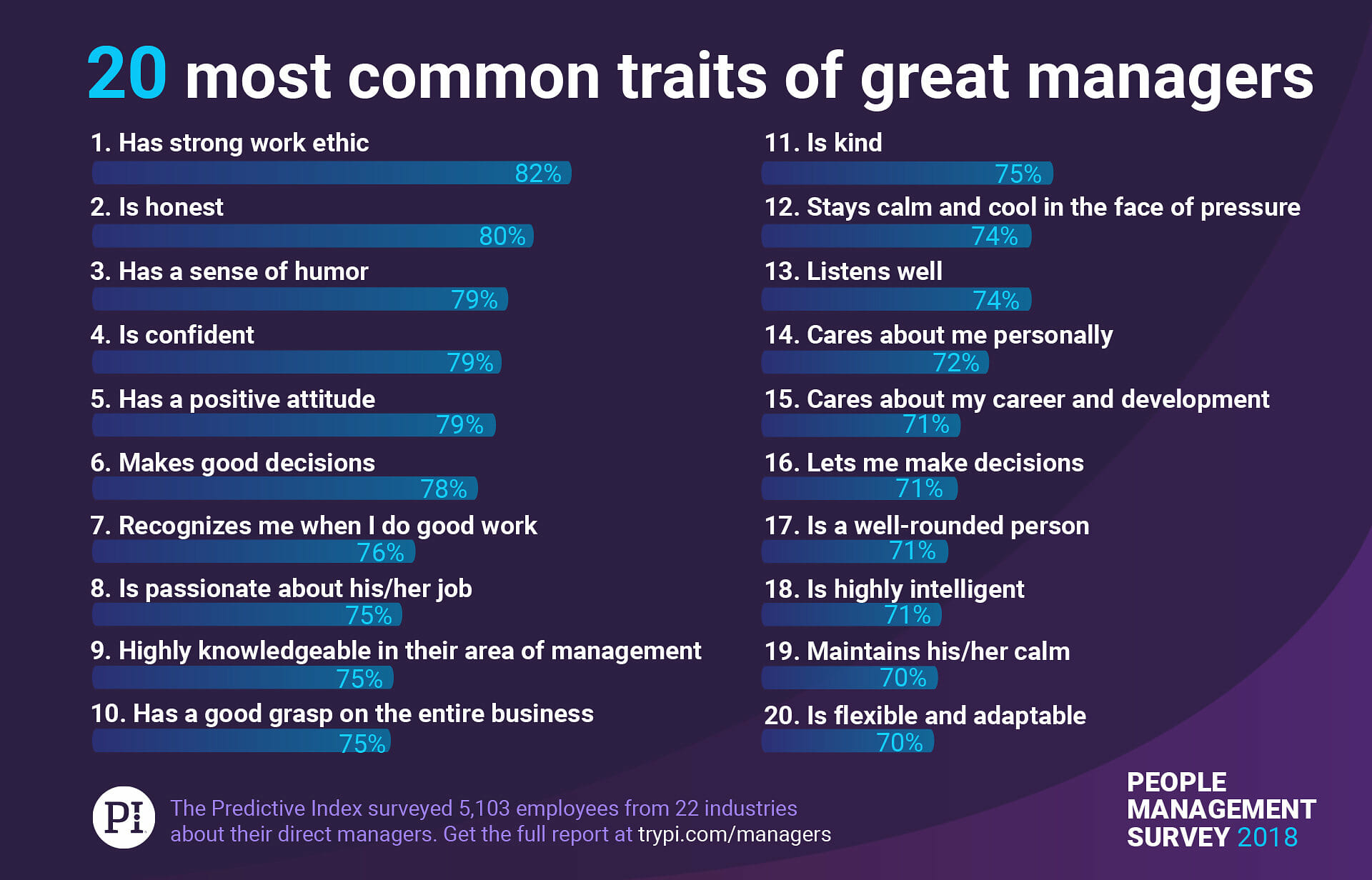
Without these defining qualities—which may not show up in conventional KPIs like delivery, sales growth, or customer retention—you may be missing out on more human-level metrics.
3. What would you recommend your manager keep doing?
In addition to questions that employees can answer on a five-point scale, Google concludes its manager evaluation forms with two open-ended questions that encourage more blunt, verbatim responses that can be shared with managers.
This is the first of those questions which you, too, can use.
4. What would you recommend your manager change about his or her approach to management?
And this is the second question from Google. Make sure your manager is answering your questions (not just those of the business).
5. What could your manager do to make your work experience more meaningful for you personally?
The connection between personal and professional satisfaction is strong. In our people management study we found that 94% of employees with great bosses have a passion and energy for their jobs, while just 59% with bad bosses say the same.
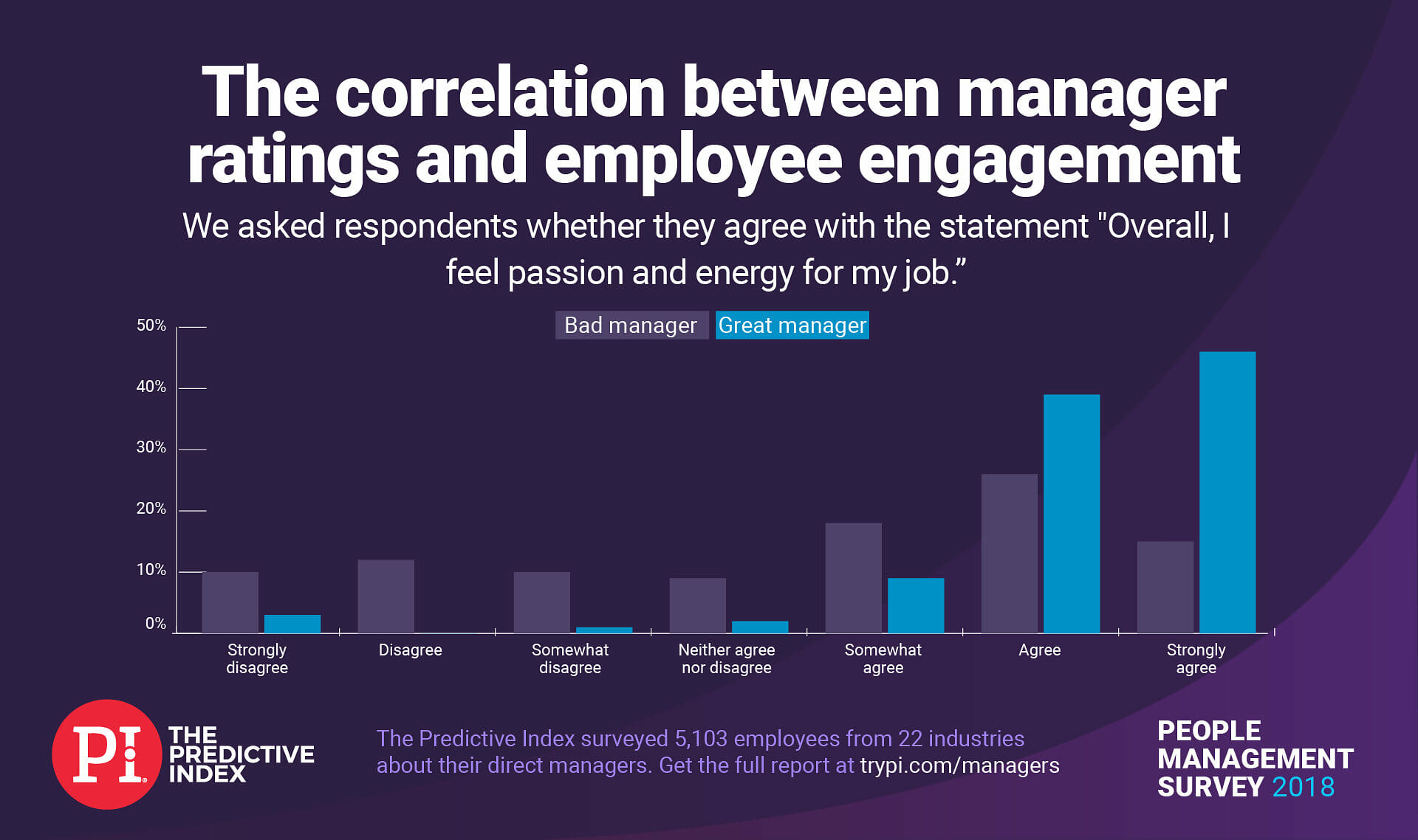
Gaining feedback into how better managers can create better work experiences is paramount.
6. Do you receive an adequate level of feedback from your manager related to your work performance?
It’s a natural human need to be appreciated, but just 48% of employees feel they are receiving the right amount of feedback. Ten percent receive none at all, and 8% actually get more than they feel they need.
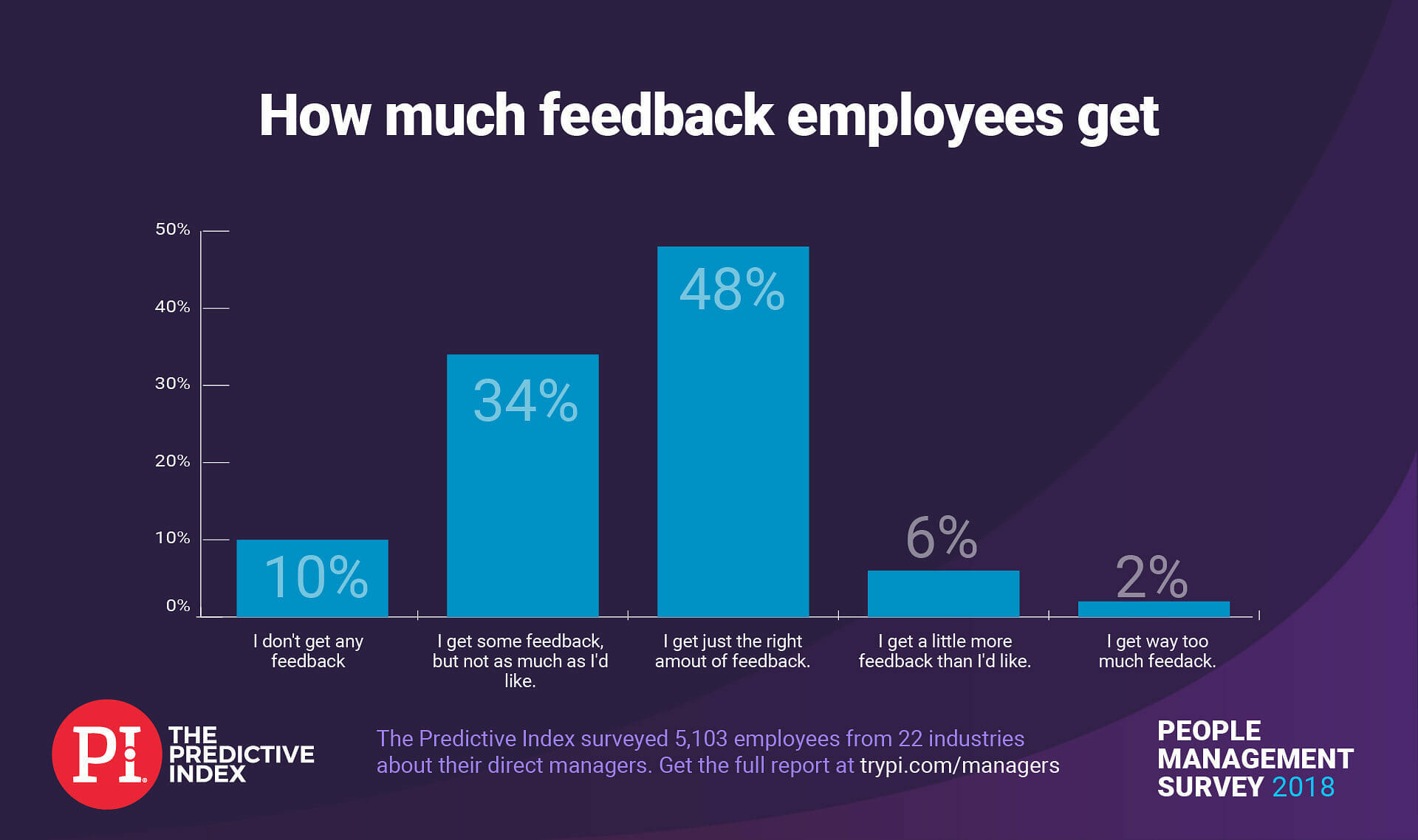
Simply asking a question like this can clue you in regarding what is deemed appropriate. From there, you can help your managers deliver the “right” amount of feedback to their direct reports.
7. Does your manager have a solid grasp on the business as a whole beyond just his or her role or department?
It’s not enough to have technical expertise or historical knowledge of company processes. Employees want to know that their manager is also in tune with larger commercial initiatives and relays information on the company’s trajectory.
8. Does your manager communicate individual and team objectives clearly?
Gallup found that companies that implemented formal management policies around strength-based practices like communication, realized a 9-15% increase in employee engagement. Doing so even led to a 72% drop in employee turnover among organizations traditionally prone to high turnover.
Give your managers the tools to become outstanding leaders.
The best managers are developed and equipped with the right tools to help them grow—to navigate difficult conversations and support the growth of those around them. Strengthen your management and strengthen your business with PI for managers.
Asking the right questions adds depth to manager evaluation forms.
As a starting point, these eight questions should provide more depth to manager evaluation forms. However, your company should also incorporate questions that allow employees to respond on a scale, such as 1-10 or “totally disagree”-“totally agree.” A scale allows you to assess not just responses but also how strongly or intensely employees feel.
Test your knowledge of what makes a great manager: