Chris Butsch is a professional speaker who helps companies supercharge engagement, grow leaders, and keep their best people. He is a leading voice on the ROI of workplace happiness.
Try this: Close your eyes and deeply inhale through your nose.
What does your office smell like?
If it’s indeterminable—or just a messy hodgepodge of colognes, perfumes, and cleaning agents—you may be missing out on an easy boost to company culture. You’ve already spent time and money optimizing touch, taste, and sight with comfortable chairs, delicious food, and a beautiful space . Why not engage your employees’ sense of smell, too?
It may sound like a stretch, but certain scents can actually improve employee productivity and wellbeing. This is because our olfactory system has a powerful influence on the way we think and operate. Smells register in two areas of the brain tied to emotion and memory—the amygdala and hippocampus—whereas sound and touch information do not. By controlling the smell of your office, you can actually augment your employees’ cognitive performance.
So, what does a winning office smell like?
There’s no single answer; different smells have different effects on the human brain. Here are three scents you can deploy and the culture bonuses they provide.
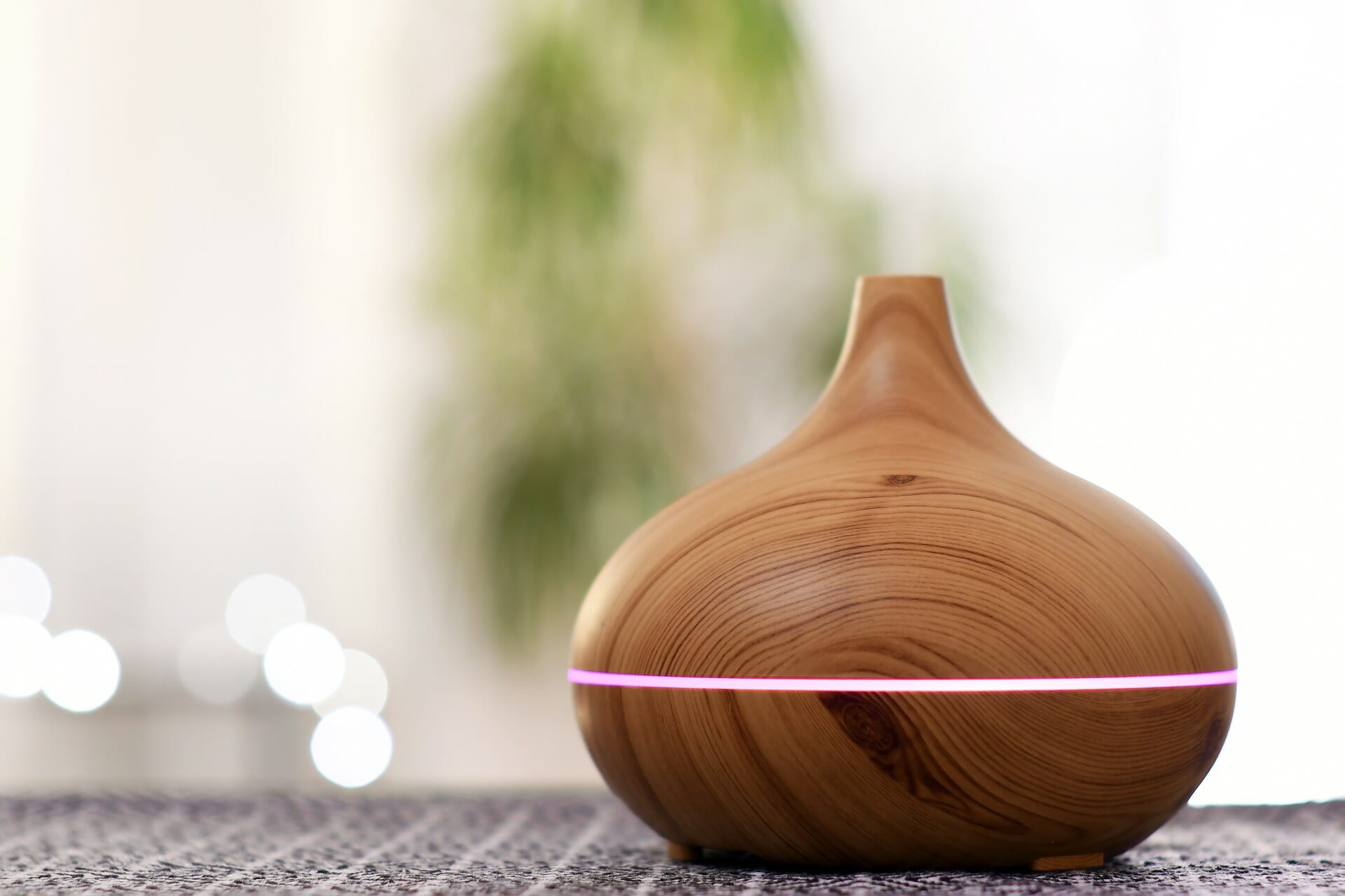
Use peppermint to improve productivity.
If you’re looking for a general performance-boosting scent, look no further than peppermint.
Research published in the International Journal of Neuroscience found that subjects exposed to the scent of peppermint experienced increased memory and processing speed. Even better, a study in the North American Journal of Psychology found that both peppermint and cinnamon enhanced motivation, performance, and alertness while decreasing fatigue. Researchers believe this is because the menthol in peppermint stimulates the nervous system.
If you’re looking for a simple way to increase the pep in your workforce, consider peppermint. However, because peppermint is technically a stimulant, it may not be the best choice for times of stress. Luckily, there’s a much more appropriate scent for creating calm.
Use lavender to reduce stress.
About to enter crunch time? The scent of lavender may help.
A study in the International Journal of Neuroscience found that subjects exposed to the scent of lavender for just three minutes showcased lower depression, greater relaxation, and an ability to perform tasks more quickly and accurately. Plus, research published in Chemical Senses found that lavender significantly improved concentration, especially during the post-lunch productivity dip. By contrast, the scent of jasmine had no similar effect.
If your workforce is already under stress, or you see a stressful event on the horizon, consider deploying some lavender to preemptively soothe nerves and keep your team focused.
Use eucalyptus to reduce sick days.
Sick days are expensive and disruptive, so any measure taken to reduce them and improve employee health is an all-around win. Thankfully, there’s a scent for that.
A study at the University of British Columbia, Vancouver, found that eucalyptus essential oil “demonstrated effective antiviral and antimicrobial properties,” helping kill and prevent the spread of the flu. By contrast, scents of cinnamon, lemongrass, and lavender weren’t nearly as effective at combating illness.
Wafting some eucalyptus through the office during flu season may just reduce your total sick days for the year, improving health and preventing costly disruptions.
Scents are the culture booster right under your nose.
The power of scents and essential oils isn’t just a myth anymore. Nike claims that scent alone has increased their sales. Delta has developed a proprietary fragrance, Calm, to soothe passengers. Companies are finally leveraging the power of smell, and the science supports it.
With all these benefits, it’s no wonder organizations are starting to leverage the power of smell. Just be sure to consult with your employees before filling the office with a specific fragrance. Because our sense of smell is so strongly tied to our emotions, a nice smell can trigger a negative memory—something we don’t want to inflict on employees!
Try putting the office scent up to a vote, and start small with a single area of the office or conference room. Listen to your employees’ feedback, and, together, you and your team will find your perfect office scent and reap the benefits listed above.